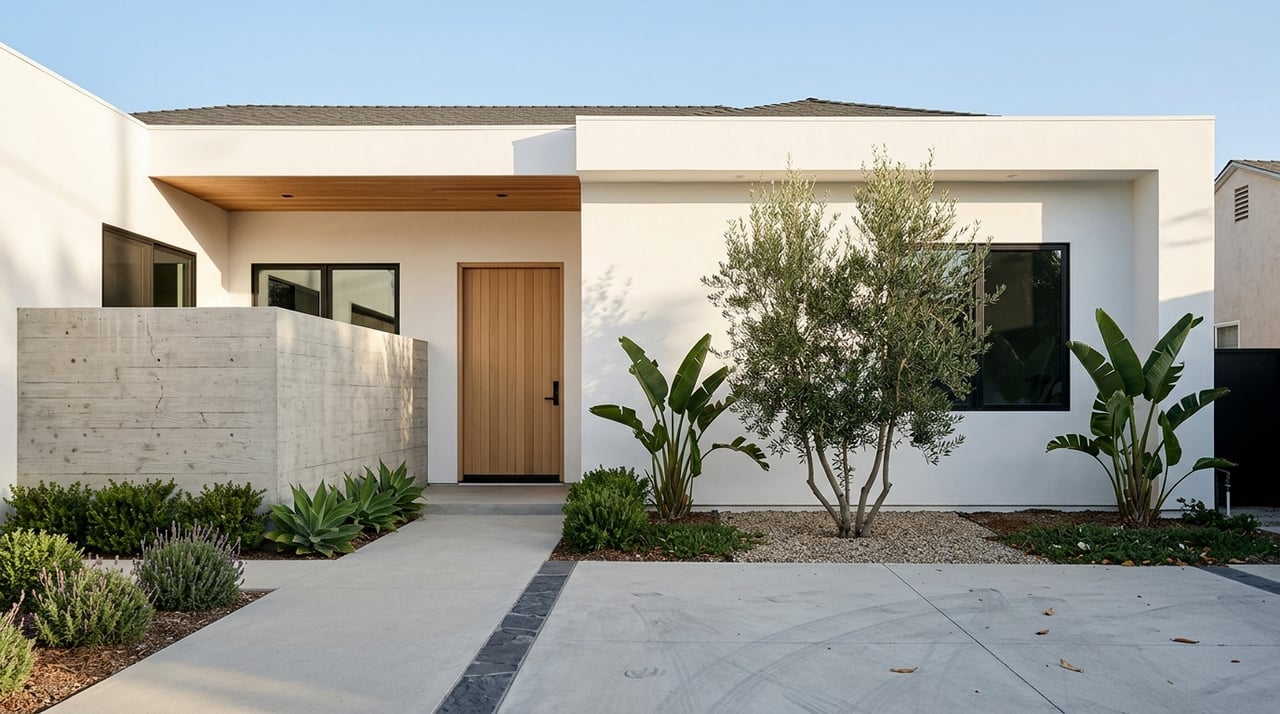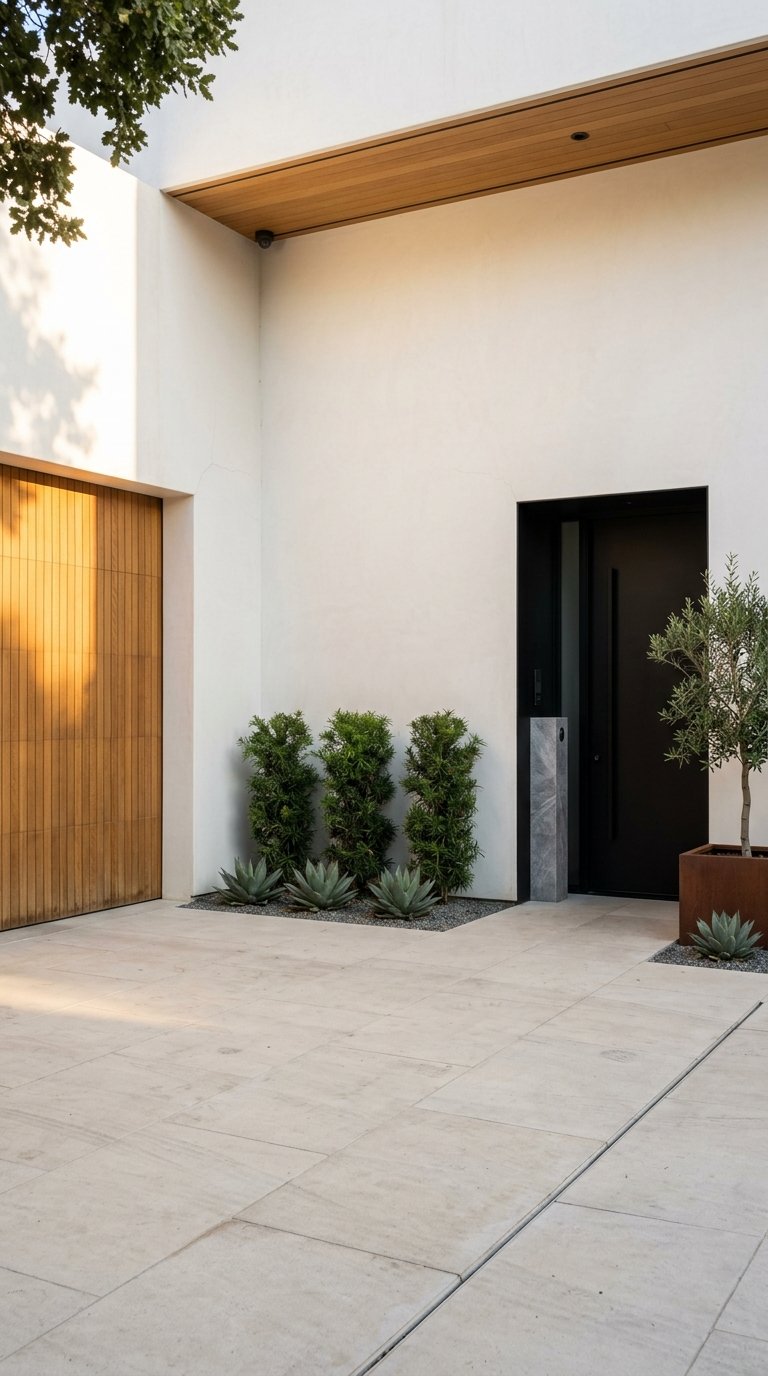
Looking at Bel Air and assuming every luxury property sits inside the same kind of gated community can lead you in the wrong direction fast. In Bel Air, privacy is more nuanced, and your day-to-day experience can change a lot from one pocket to the next. If you are comparing estates here, it helps to understand which areas are truly guard-gated, which are simply access-controlled, and what that means for touring, convenience, and long-term fit. Let’s dive in.
Bel Air Privacy Starts With Geography
Bel Air is part of the Bel Air-Beverly Crest Community Plan area, a roughly 9,900-acre hillside section bounded by Mulholland Drive, Sunset Boulevard, Beverly Hills and Laurel Canyon, and the 405. The area is predominantly single-family, with planning priorities that include hillside character, scenic views, and secluded areas with limited through-traffic.
That planning framework matters because Bel Air does not read like one uniform luxury subdivision. It is better understood as a network of access corridors, estate streets, and privacy pockets. The Bel-Air Association, which represents more than 2,000 properties, also reflects this street-by-street way of thinking through its sector maps, emergency planning, and gate-related notices.
Not All Bel Air Enclaves Are Equal
When buyers say they want a “gated Bel Air home,” they are often describing several different setups. In practical terms, Bel Air Crest is the clearest example of a formal guard-gated enclave, while many other well-known areas are better described as wall-lined, privacy-oriented clusters with controlled access patterns.
That distinction is important when you compare lifestyle. A formal guard-gated setting may offer a different arrival experience and guest-entry routine than a historic estate street with private gates, hedges, and limited through-traffic. Both can feel highly private, but they function differently.
East Gate Bel Air
The East Gate area includes the historic lower Bel Air estate core around Bel-Air Road, St. Pierre Road, Bellagio Road, Nimes Road and Nimes Place, Cuesta Way, Madrono Lane, Amapola Lane, and nearby streets. The Bel-Air Association treats this as a distinct sub-area, and the city’s historic survey connects it to the original 1922 Bel Air Estates subdivision.
This pocket is known for expansive, irregular parcels, high privacy walls and hedges, driveway gates, and narrow streets without sidewalks. If you are drawn to classic old Bel Air character, this is one of the areas where that feeling is most visible in the layout itself.
What East Gate Feels Like
The appeal here is often about legacy, separation, and estate presence. Many properties sit behind layers of privacy features, and the street network supports a tucked-away feel rather than a conventional neighborhood pattern.
At the same time, this is not one uniform housing product. Some homes reflect early estate-era architecture, while others are later replacements or major rebuilds. That means your search may involve comparing historic design pedigree, lot shape, and modernization level on a very street-specific basis.
West Gate Bel Air
The West Gate side centers on Bellagio, Sarbonne, Chalon, Perugia, Siena, Strada Vecchia, Airole, Tione, and related streets. The Bel-Air Association’s closure notices show this area functioning as a separate access node in everyday use.
For many luxury buyers, West Gate stands out because of its relationship to Bel-Air Country Club. The club sits on Bellagio Road between Sarbonne and Stone Canyon on a nearly 40-acre parcel, making this side especially relevant for buyers who want to be close to that amenity.
Why Buyers Compare West Gate
If club proximity matters, this side often rises to the top of the list. The surrounding parcel pattern and mature landscape also contribute to an estate-like atmosphere, even though lot sizes still vary from one street to another.
This pocket can also be practical for buyers who want privacy without losing sight of access. Still, road closures, gate impacts, and construction detours can affect drive patterns, so it is smart to test any route in real conditions before you commit.
Upper Bel Air Road Pockets
Higher on Bel-Air Road, the association groups streets such as Bel-Air Place, Bel-Air Court, Lisbon Lane, Rial Lane, Mars Lane, and Sandall Lane into upper-road sectors. These streets are often associated with deeper privacy and more internalized drive patterns because of the hillside road network and the area’s limited through-traffic.
This is where the difference between map privacy and real-world privacy really matters. A home may feel wonderfully removed, but you still want to understand road width, turn patterns, guest access, and service access before deciding it works for your lifestyle.
What To Watch In Hillside Sections
In upper hillside pockets, convenience is more personal than it first appears. A property that feels ideal during a quiet midday showing may function very differently during school drop-off hours, evening returns, or when multiple cars arrive at once.
The smartest buyers tour at more than one time of day. That simple step can tell you a lot about access, traffic flow, and whether a property’s privacy comes with tradeoffs you are comfortable making.
Bel Air Crest
Bel Air Crest is the broad area’s clearest planned enclave. City planning identifies it as a distinct neighborhood, and official planning documents describe it as a 286 single-family home development east of Sepulveda Boulevard on Bel Air Crest Road.
In practical terms, Bel Air Crest is the most formal guard-gated subdivision in the broader Bel Air area. If you want a more structured enclave environment, this is often the most direct match to that goal.
How Bel Air Crest Differs
Bel Air Crest offers a more defined neighborhood format than many of Bel Air’s historic estate streets. That can simplify expectations around entry, boundaries, and the overall feel of the enclave.
For some buyers, that consistency is the point. For others, the appeal of Bel Air lies more in the irregular lot patterns, legacy architecture, and one-of-a-kind estate settings found in the older pockets.
Architecture Varies Street By Street
One of the biggest misconceptions about Bel Air is that its architecture follows a single luxury style. It does not. Survey records in the area show Spanish Colonial Revival, American Colonial Revival, French Revival, Tudor Revival, Monterey Revival, Ranch and Traditional, Georgian Revival, Renaissance Revival, and Mid-Century Modern examples.
That means you are often choosing between very different design experiences within a short distance. One street may lean toward classic revival estates, while another offers mid-century lines or newer custom rebuilds.
Why This Matters For Buyers
Architecture affects more than appearance. It can influence floor plan flow, window lines, renovation scope, and how a home lives today versus how it was originally designed.
In East Gate and related historic sections, buyers often weigh architectural pedigree and lot character together. In other pockets, the decision may lean more toward newer construction, updated systems, and a more contemporary indoor-outdoor layout.
Lot Size And Street Feel Matter
Bel Air’s estate image is shaped not only by residential parcels, but also by large surrounding properties. Bel-Air Country Club covers nearly 40 acres, Hotel Bel-Air spans over nine acres, Community Magnet Charter School sits on nearly 20 acres, and Roscomare Road Elementary occupies over seven acres on one parcel.
These larger parcels help explain why some streets feel unusually open and expansive. Even where residential lot sizes vary, the surrounding land pattern can make an area feel broader, greener, and more estate-oriented.
Touring Bel Air The Right Way
In Bel Air, touring is not just about the home. It is also about the approach. The community plan emphasizes preserving the hillside road network, and local association alerts show that East Gate and West Gate closures, no-parking restrictions, and construction detours can affect actual drive times.
Before you decide a property feels convenient, test the route in real life. Ideally, you should visit at different times of day and pay attention to access, entry rhythm, road width, and how easily guests or service vehicles can navigate the approach.
A Smart Touring Checklist
When you compare Bel Air enclaves, make a point to verify:
- Whether the property sits in a formal guard-gated setting or a privacy-oriented street cluster
- The exact route in and out at different times of day
- Street width and turning conditions near the property
- Guest and service access practicality
- Any recurring gate, road, or detour issues affecting the pocket
- Exact public school assignment by address, if that matters to your household
Schools And Nearby Institutions
For buyers considering public school options, Community Magnet Charter School is located at 11301 Bellagio Road and Roscomare Road Elementary is at 2425 Roscomare Road. LAUSD notes that resident school assignment should be verified by exact address, since some areas may use tools such as the Resident School Identifier and other enrollment models.
Nearby private schools that buyers commonly consider include Harvard-Westlake’s middle school campus at 3700 Coldwater Canyon, Archer at 11725 Sunset Boulevard, and Buckley at 3900 Stansbury Avenue. As with commute routes, it helps to test actual drive times from the specific property you are considering.
How To Choose The Right Bel Air Enclave
The best Bel Air pocket for you depends on what privacy means in your daily life. If you want the clearest guard-gated setup, Bel Air Crest deserves a close look. If you want historic estate character, East Gate and related lower Bel Air streets may be more compelling. If club access matters, West Gate and the Bellagio-Sarbonne-Stone Canyon area often stand out.
What matters most is matching the property’s access pattern, architecture, and touring reality to your lifestyle. In Bel Air, two homes at a similar price point can offer very different living experiences because the streets themselves function so differently.
If you are evaluating Bel Air with a privacy-first lens, a local, street-level strategy matters. Laura Brau offers discreet, relationship-driven guidance for Westside luxury buyers who want to compare enclaves carefully and move with confidence.
FAQs
Which Bel Air area is truly guard-gated?
- Bel Air Crest is the clearest large guard-gated enclave in the broader Bel Air area, while many other Bel Air pockets are better understood as access-controlled, wall-lined, and privacy-oriented street clusters.
Which Bel Air pocket is best for country club access?
- The Bellagio, Sarbonne, and Stone Canyon area on the West Gate side is the most directly associated with Bel-Air Country Club access.
What should buyers verify before touring a Bel Air estate?
- Buyers should verify exact street access, road width, approach practicality for guests and service vehicles, and any gate or detour conditions that could affect daily convenience.
How should buyers check school assignment for a Bel Air home?
- Buyers should confirm public school assignment by exact property address through LAUSD tools rather than assuming assignment based on neighborhood name alone.
Is Bel Air one uniform gated neighborhood?
- No. Bel Air is better understood as a collection of estate streets, access corridors, hillside pockets, and one major planned guard-gated enclave rather than a single uniform gated subdivision.