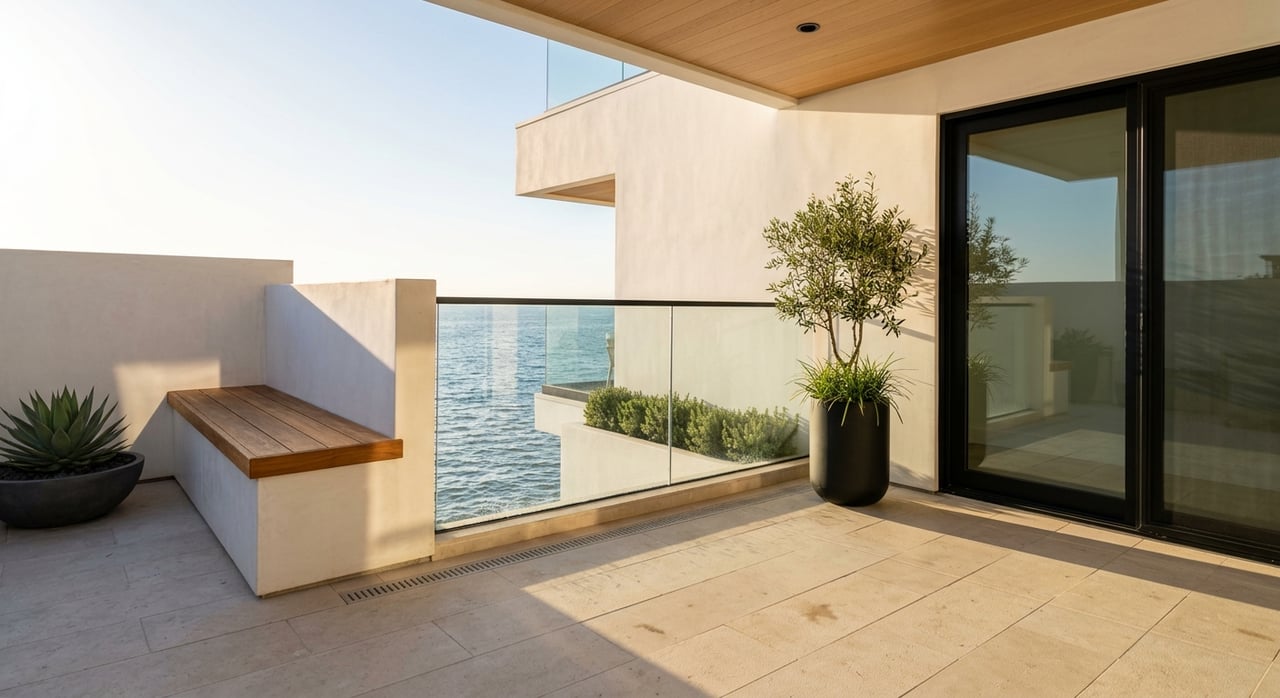
If you are thinking about buying a Marina del Rey condo near the water, the view is only part of the story. In this stretch of the Westside, two condos that look similar on paper can come with very different ownership structures, HOA costs, boat slip access, and rental rules. When you know what to check before you write an offer, you can buy with more clarity and fewer surprises. Let’s dive in.
Why waterfront condos draw buyers
Marina del Rey offers a lifestyle that is hard to replicate elsewhere in Los Angeles. It is the largest constructed small-craft harbor in North America, with more than 4,600 boat slips across 23 marinas, according to Los Angeles County.
That scale matters when you are shopping near the water. You are not just buying square footage. You are also buying proximity to the harbor, marina activity, waterfront paths, and a coastal setting that feels distinct from other Westside neighborhoods.
Marina del Rey pricing in context
If you are comparing condo options near the water, it helps to understand how prices shift by micro-location. In the broader 90292 ZIP, the median listing price is $1,396,500, with a median price per square foot of $898, according to Realtor.com’s 90292 market overview.
Within Marina del Rey itself, the median asking price is about $1,295,000, with roughly 130 homes for sale and a median price per square foot of $835, based on Realtor.com neighborhood data. Nearby premium waterfront pockets can climb much higher. Marina Peninsula shows a median home price of $2,147,500, while Venice Beach sits around $2,990,000, according to Marina Peninsula data and Venice Beach data.
The takeaway is simple. A condo near the water in Marina del Rey proper may land in the low- to mid-seven figures, while premium waterfront locations nearby often move well into the $2 million-plus range.
What “near the water” really means
Not every waterfront-adjacent condo gives you the same ownership or use rights. A harbor view, walkable marina access, and direct boating privileges are three very different things.
That distinction becomes especially important if you are paying a premium for the location. You want to know whether you are buying visual access, physical access, or actual marina-related rights tied to the property.
Waterfront views are not boat slip rights
Los Angeles County explains that boat slips in Marina del Rey are managed separately by each anchorage’s dockmaster, with pricing and availability varying by marina. In practical terms, a condo listed as “near the marina” does not automatically come with a transferable slip, priority access, or any guaranteed boating benefit. You can review the County’s slip information on the anchorages and boat slips page.
If boating matters to you, confirm in writing whether a slip is included in the sale, leased separately, subject to a waitlist, or requires marina approval. This is one of the most important questions you can ask before removing contingencies.
Harbor rules can affect daily use
If your lifestyle includes boating, County rules are worth reviewing early. Marina del Rey is a no-discharge harbor, anchoring is not permitted, the harbor speed limit is 5 knots, and liveaboard use beyond three days in a week requires both marina authorization and a harbor-master permit, according to the County’s boater guide.
These are not minor details. They can shape how practical the marina is for your intended use, especially if you are buying with boating access high on your priority list.
The ownership question buyers should ask early
One of the biggest due diligence issues in Marina del Rey is whether the condo is fee-simple or tied to a ground lease or leasehold structure. This matters because Los Angeles County owns the Marina’s land and water and leases much of it to private leaseholders on long-term agreements, as outlined in County planning background materials from Los Angeles County.
For you as a buyer, that means the ownership structure may be more complex than in a typical condo purchase elsewhere on the Westside. You should ask whether the unit sits on fee-simple land, whether lease costs are passed through in HOA dues, and how much time remains on any applicable lease term.
Why lease structure affects your numbers
Ownership structure can influence more than title. It can affect your monthly housing costs, long-term value assumptions, and even financing considerations.
That is why this question should come up before you get too far into escrow. If two condos have similar asking prices but different land structures, the better value may not be obvious at first glance.
HOA review matters more than many buyers expect
In California common-interest developments, HOA membership transfers automatically with the unit, and the association can levy dues and assessments to maintain common areas and enforce rules, according to the California Department of Real Estate.
That means your HOA review is not a side task. It is one of the core financial and lifestyle reviews in the entire purchase process.
What to request from the HOA
Ask for the full HOA package as early as possible, including:
- CC&Rs
- Bylaws
- Current budget
- Reserve study
- Recent board minutes
- Insurance summary
- History of special assessments
The Department of Real Estate notes that buyers should pay close attention to assessments, reserves, title exceptions, and governing documents because they can affect affordability and how the property may be used.
Low dues are not always the best deal
It is easy to focus on the lowest monthly HOA number, but that can be misleading. DRE explains that association budgets rely on assessments and reserves, and special assessments may be used for major repairs or unexpected costs.
A lower HOA fee may reflect fewer amenities, deferred maintenance, or separate user charges. A higher fee may support stronger reserves, broader services, or marina-related operating costs. The key is to compare dues against what the building actually provides.
Rental rules can change from one building area to the next
This is where buyers often get caught off guard. Marina del Rey and neighboring Venice may feel connected on the map, but they can fall under different jurisdictions with different short-term rental rules.
In unincorporated Los Angeles County, a Short-Term Rental Registration Certificate is generally required before renting a home or room for 30 consecutive days or less, and hosts must collect and pay transient occupancy tax. At the same time, the County Treasurer and Tax Collector notes that this registration requirement does not apply in coastal zones, where short-term rentals are currently unregulated, so parcel-specific status should be verified through the County’s short-term rental information page.
By contrast, Venice is governed by the City of Los Angeles, where home-sharing is limited to a primary residence, requires registration, and standard home-sharing is limited to 120 days per year, according to the City’s home-sharing program overview.
Why jurisdiction affects buying strategy
If rental flexibility matters to you, do not assume two nearby waterfront condos offer the same options. A property in County Marina del Rey can have a different regulatory picture than a property in City Venice.
That makes jurisdiction one of the first items to confirm, not one of the last. It can directly affect how you plan to use the condo after closing.
A smart pre-offer checklist
Before you make an offer on a Marina del Rey condo near the water, it helps to work through a focused checklist.
Confirm these details before you commit
- Verify whether the property is in unincorporated Marina del Rey or the City of Los Angeles
- Ask whether the condo is fee-simple or part of a ground-lease structure
- Request the full HOA package early
- Review dues, reserves, and any special assessment history
- Confirm whether any boat slip rights are included, leased separately, or waitlisted
- Compare HOA costs to the actual amenity package
- Review the preliminary title report and recorded restrictions before waiving contingencies
This process may sound detailed, but it protects you. Near-water condos in this area often turn on details that are easy to miss in listing photos or marketing remarks.
How to evaluate value with more confidence
The best Marina del Rey condo for you may not be the one with the most dramatic angle on the water. It may be the one with the strongest combination of ownership clarity, manageable HOA structure, realistic boating access, and rules that fit your plans.
When you evaluate condos through that lens, you are more likely to make a decision based on long-term fit, not just first impressions. That is especially important in a market where pricing can shift quickly from Marina del Rey proper to nearby waterfront pockets like Marina Peninsula and Venice.
If you want a discreet, strategic perspective on buying a Westside coastal property, Laura Brau offers boutique guidance grounded in local market knowledge and a high-touch client experience.
FAQs
What should you check first when buying a Marina del Rey condo near the water?
- First, confirm the property’s jurisdiction, ownership structure, HOA details, and whether any boat slip rights are actually included.
Are all Marina del Rey condos on fee-simple land?
- No. Because Los Angeles County owns the Marina’s land and water and leases much of it to private leaseholders, some condos may involve a leasehold or ground-lease structure.
Does a waterfront condo in Marina del Rey include a boat slip?
- Not necessarily. Boat slips are managed separately by each anchorage’s dockmaster, so you should confirm in writing whether a slip is included, leased separately, or subject to a waitlist.
Why do HOA documents matter when buying a Marina del Rey condo?
- HOA documents help you review dues, reserves, rules, insurance, and any special assessment history, all of which can affect your monthly costs and ownership experience.
How do short-term rental rules differ between Marina del Rey and Venice?
- Marina del Rey may fall under Los Angeles County rules, while Venice is governed by the City of Los Angeles, so registration requirements and rental limitations can differ depending on the property’s exact location.