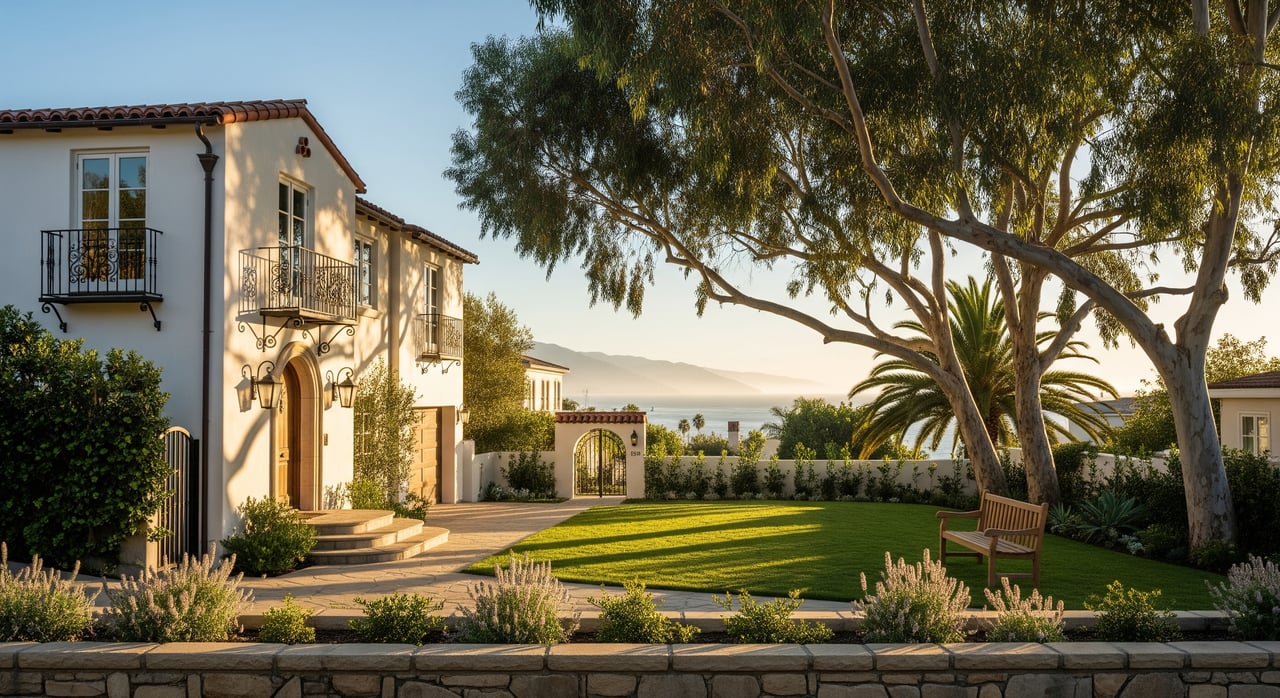
Love the idea of ocean air, canyon trails, and a true village center all within minutes of home? If you are weighing a move to Pacific Palisades, you probably care about school options, outdoor space, and everyday convenience. This guide walks you through what life here feels like, how families navigate schools and activities, and what to expect for commutes and housing. Let’s dive in.
What daily life feels like
Pacific Palisades sits on coastal bluffs at the edge of the Santa Monica Mountains. Most streets are residential, with a calm rhythm during the day and a family focus in the mornings and afternoons. The neighborhood hub is Palisades Village, a walkable mix of boutiques, restaurants, and community programming that anchors daily errands and social life. On weekends, you will see families at the beach, on local trails, and at community events.
Microclimate and setting
The Palisades has a classic coastal microclimate. Mornings and evenings near the water can be cooler and foggier, while canyon areas and ridgelines often run warmer and sunnier. Many homes enjoy ocean or canyon outlooks, and inland streets can feel tucked into greenbelts. If weather is a priority, note where a home sits relative to the coast and canyons.
Schools and education
Public schools in the Palisades are part of Los Angeles Unified School District, and some campuses operate with charter agreements. Boundaries and enrollment policies can change, so confirm attendance zones directly with LAUSD maps and each school’s website. Many families combine public schools with private or parochial options in nearby Westside neighborhoods. After‑school care, arts and athletics, and commute time for children are common decision points.
How to research school options
- Start with official sources for boundaries, enrollment, and accountability data. Cross‑check campus sites for programs and calendars.
- Use independent rating sites for supplemental perspective, then verify details with school staff.
- Visit open houses, talk to local parents, and observe drop‑off and pick‑up routines to understand logistics.
- Ask about after‑school offerings, arts and athletics, and any waitlist processes for specialized programs.
Private and parochial schools
Several private and faith‑based schools are within a reasonable drive on the Westside. These range from preschool through high school and offer varied educational models. Availability can be competitive, so plan tours and applications early. Build in travel time to your child’s schedule if the campus is outside the Palisades.
Parks, beaches, and trails
If you value outdoor time, the Palisades delivers. Will Rogers State Beach and the nearby coastline offer swimming, sand play, and sunset walks, with seasonal variations in parking and crowds. Families often mix beach mornings with afternoons at local parks and playgrounds. Many households keep a simple beach kit in the car to make spontaneous trips easy.
Mountain access and hikes
The neighborhood borders the Santa Monica Mountains, which means trailheads for canyon walks, scenic overlooks, and longer hikes are close by. Routes range from stroller‑friendly paths to steeper climbs. Always check trail signage for difficulty, dog rules, and seasonal advisories. After winter storms, confirm trail conditions and closures before heading out.
Parks, playfields, and youth sports
Public parks in and around the Palisades include playgrounds, ballfields, and courts that support youth soccer, baseball, and classes. City recreation programming typically offers swim lessons, seasonal camps, and weekend leagues. Registration windows can fill quickly, so bookmark the schedules you plan to use. Pack layers for evening practices since coastal temperatures can drop after sunset.
Environmental notes
Canyon‑adjacent areas carry wildfire considerations. Review state and local hazard maps and speak with local fire resources about defensible space guidelines for any property you consider. Heavy rain can affect canyon roads and trails, so monitor advisories after storms. Insurance questions and mitigation steps are worth discussing early in your home search.
Shopping, services, and community life
Palisades Village functions as the neighborhood’s daily living room. You will find coffee shops, casual and upscale dining, boutiques, and personal services like salons and dry cleaning. For big‑box retail or specialty errands, most residents drive to Santa Monica, Brentwood, or West LA. The mix gives you small‑town ease for everyday needs with city access when you want it.
Healthcare and childcare
You will find local options for primary care, pediatrics, dental care, and urgent care. For specialized services or hospital visits, many families plan appointments in Santa Monica, Westwood, or Beverly Hills. Preschools and daycare centers are available, and spaces may be competitive. Touring early and asking about waitlists can help you set a timeline that matches your move.
Community events and traditions
The Palisades has a strong community identity. Expect neighborhood parades, village events, school fundraisers, seasonal festivals, and a popular July 4th celebration. Weekend farmers markets and local drives for schools or charities add to the small‑town feel. If you enjoy pitching in, there are many ways to get involved through community and parent groups.
Commutes and getting around
Most residents rely on cars for work, school, and activities. Traffic on Sunset Boulevard, Pacific Coast Highway, and canyon roads can be heavy during peak hours, so plan around school bells and rush periods. Short trips to Santa Monica and Brentwood can be 15 to 30 minutes without heavy traffic. Downtown and Central LA commutes vary more, often 30 to 60 minutes or longer at peak.
School commute tips
- Proximity matters. Some families choose homes that allow walking or a short drive to preferred schools.
- Study each school’s drop‑off and pick‑up plan before the first day. Curb space and timing can be tight.
- Coordinate carpools early during the year to reduce time in the car.
Walking and biking
Within the village and to nearby beaches or parks, many trips are walkable or bikeable. Street infrastructure varies by block, with a mix of bike lanes and residential streets. If you plan to walk or use a stroller daily, scout your routes in person. Evening fog and early morning marine layer can influence visibility and clothing choices.
Housing and buyer considerations
Housing in the Palisades is primarily single‑family, with a limited number of condos and townhomes near commercial streets and the village. Prices sit at the higher end of the Westside, and values shift based on lot size, views, and proximity to schools or Palisades Village. Canyon and ridgeline homes offer privacy and outlooks, balanced with topography and wildfire considerations. If you are exploring attached homes, review HOA fees, reserves, and community rules.
Due diligence checklist
- Confirm school boundaries and transportation logistics for your specific address.
- Evaluate wildfire and drainage risk through official maps and disclosures, and ask about mitigation steps taken.
- Drive your target route at the times you will actually commute.
- Walk the block at different hours to gauge light, noise, and microclimate.
- For condos and townhomes, review HOA financials and maintenance plans.
Is Pacific Palisades right for you?
Choose the Palisades if you want a quieter, village‑centered lifestyle with easy access to beaches and mountain trails. You will trade some urban conveniences and transit options for coastal air and neighborhood calm. Families tend to prioritize school logistics, outdoor time, and practical drive times to work. If that balance fits your routine, the Palisades can feel like an everyday retreat.
Ready to explore homes and micro‑neighborhoods that match your lifestyle goals? Connect with Laura Brau for private guidance on timing, valuation, and a tailored search strategy.
FAQs
What public school options serve Pacific Palisades?
- Public schools fall within Los Angeles Unified School District, with some charter campuses; verify current boundaries and enrollment details directly with LAUSD and each school.
How walkable is the Palisades for daily errands?
- The village core is walkable for coffee, dining, and essentials, while most residents drive for larger shopping runs or specialty services in nearby Westside areas.
What are typical commute times from the Palisades?
- Short trips to Santa Monica or Brentwood can be about 15 to 30 minutes off‑peak, while Downtown or Central LA often ranges from 30 to 60 minutes or more during rush hour.
How does the microclimate affect everyday life?
- Expect cooler, foggier conditions near the coast and warmer, sunnier weather in canyon areas, so plan layers and consider location when choosing a home.
How do I assess wildfire risk before buying?
- Review official hazard maps and property disclosures, ask about defensible‑space measures and insurance history, and discuss mitigation with local fire resources.
Where do residents shop and dine most often?
- Palisades Village is the daily hub for boutiques and restaurants, and many residents drive to Santa Monica, Brentwood, or West LA for expanded retail and services.